
2011
He spent almost the business bank account
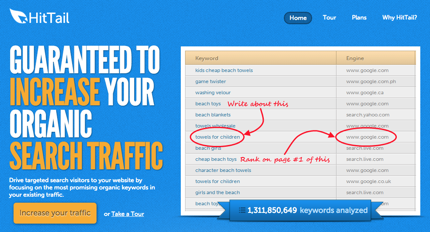
Buying HitTail was a concentrated bet, not spare-change experimentation. He improved the product and marketing, then used its profits to fund Drip. [1] ↗
A software founder who turned small acquisitions into Drip, then built MicroConf and TinySeed around founders outside the venture-capital growth model. His most useful stories are about buying imperfect businesses, platform risk and financing the next bet.
The HitTail acquisition interview describes $2.5k monthly revenue and $1.5k expenses: about $1k left before owner compensation and tax. Historical snapshot, not today’s business. [3] ↗
| Observation | Value |
|---|---|
| Monthly revenue | $2,500 |
| Monthly expenses | $1,500 |
| Difference | $1,000 |
Rob reports 10× revenue in 15 months. An indexed comparison sets the acquisition baseline to 1; the underlying dollar series was not published here. [1] ↗
| Observation | Value |
|---|---|
| At purchase | 1 × baseline |
| 15 months later | 10 × baseline |
Rob’s site says 43% of portfolio founders who had exited OR shut down became millionaires. This is not 43% of every founder funded, nor a forecast for new investments. [2] ↗
| Observation | Value |
|---|---|
| Exited / shut down: millionaires | 43% |
| Same subset: other outcomes | 57% |
Buying HitTail was a concentrated bet, not spare-change experimentation. He improved the product and marketing, then used its profits to fund Drip. [1] ↗
The acquired company carried substantial expenses relative to its ~$2.5k monthly revenue. Rob’s acquisition interview describes a costly colocation setup among the problems to untangle. [3] ↗
Rather than keep collecting small side projects, Rob sold other assets to focus. HitTail’s cash flow helped finance Drip; he sold HitTail in November 2015. [1] ↗
Leadpages acquired Drip, which Rob built with Derrick Reimer. The adviser’s announcement documents the deal, but does not disclose a purchase price. [5] ↗
His current site lists five books and more than 100,000 copies sold, alongside MicroConf, the podcast and TinySeed. These are portfolio-scale claims, not software revenue. [2] ↗
In a February 2023 thread, Rob explained MicroConf’s move from nine talks over two days toward fewer talks and more structured founder connections. [6] ↗
Google’s “not provided” search-keyword change threatened HitTail’s core data supply. Rob’s retrospective describes the workaround and the pressure of owning a product downstream of another platform. [1] ↗
In his interview with Arvid Kahl, Rob describes repeated revisions to investment terms and founders turning down the offer. Einar Vollset helped him treat rejection as a design problem rather than proof the fund could never work. [7] ↗
In a later thread criticising Gumroad’s price increase, Rob explicitly separated himself from Drip’s poorly received 2019 increase: he was already gone. Ownership dates matter when assigning responsibility. [8] ↗
Dated revenue, exits and abandoned experiments. Portfolio listings do not prove that every project still operates.
| Project | What it does | Revenue & numbers | Role / status |
|---|---|---|---|
| HitTail | Long-tail search-keyword suggestions. | 10× revenue in 15 months; sale price not disclosed | Acquired 2011; sold Nov 2015 [1] ↗ |
| Drip | Email automation software. | Acquisition price not publicly disclosed | Co-founder; sold to Leadpages in 2016 [5] ↗ |
| MicroConf | Events and community for independent SaaS founders. | 40 conferences hosted, per Rob’s site | Co-founder [2] ↗ |
| TinySeed | Funding and mentoring for capital-efficient SaaS. | 43% millionaire statistic applies only to exited/shut-down subset | Co-founder with Einar Vollset [2] ↗ |
| Startups for the Rest of Us | Long-running founder podcast. | 15m+ downloads; 800+ episodes claimed on personal site | Host [2] ↗ |
| Books & SaaS education | The SaaS Playbook and other founder books. | 5 books; 100k+ copies claimed | Author [2] ↗ |
Conversations, product walkthroughs and the reasoning behind the numbers.
Rob explains the stair-step sequence: small products first, more complex SaaS later.
Watch on YouTube ↗The long-form interview covers TinySeed terms, diversification and the limits of going solo.
Watch on YouTube ↗A practical example of how Rob evaluates SaaS distribution.
Watch on YouTube ↗3 verified posts found in the research sample, ordered by likes. Counters checked 22 October 2026 via X’s public embed service; not a complete account archive.
Vassallo challenged the idea of forcing motivation with psychological tricks, arguing that persistent resistance can indicate the wrong work. His thread explicitly references Rob’s post. [9] ↗
Responding to Rob’s call for a technical SaaS book, McKenzie argued for boring infrastructure: monoliths, managed services and avoiding premature complexity. A concrete extension of the bootstrapper playbook. [10] ↗
Founder disclosures, contemporary reporting and original posts. Financial claims retain their original scope; they are not estimates of personal wealth. Figures in video titles belong to the recording, not today.